Best Time of Year to Lay New Turf in the UK
If you want a new lawn that knits into the ground quickly without constant hosepipe duty, mid-autumn (late September to November) is the single best window in the UK, with spring (March to May) a close second. You can still lay turf in mild winter spells, while peak summer is usually the hardest and riskiest time to do it.
Quick Trade Summary
- Best overall window: Mid-September to November — warm soil encourages rapid rooting while cooler air and autumn rain cut down watering.
- Second best: March to May — strong daylight for growth, though dry springs need consistent evening watering.
- When to hold off: During hard frost, waterlogged clay conditions, or heatwaves when turf rolls dry out and shrink at the seams.
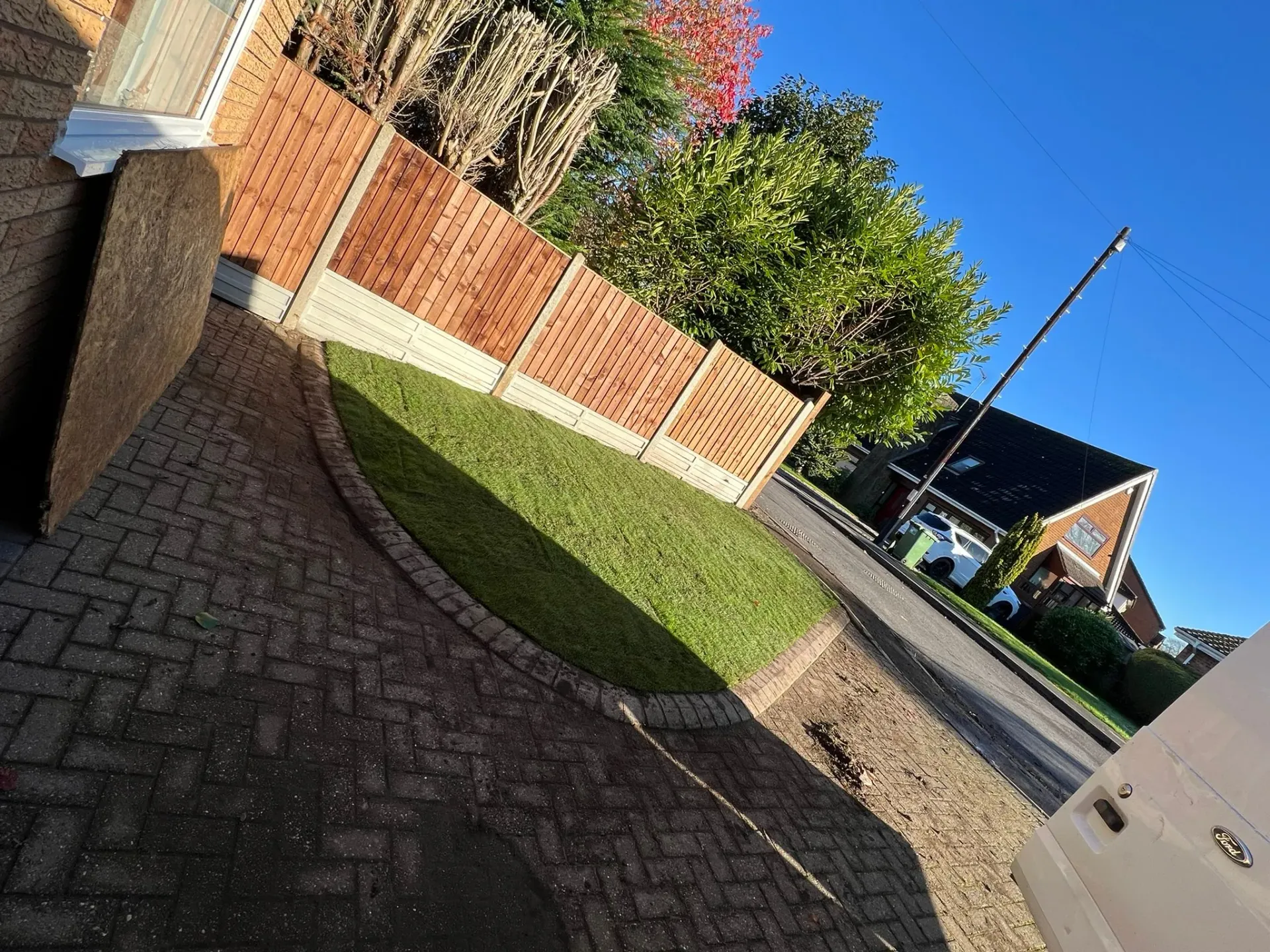
Freshly laid turf needs firm soil contact, clean edges, and proper ground preparation underneath if it is going to stay level once settled.
Month-by-Month Verdict: When to Lay Turf vs Wait
Turf is a living crop that is cut from the grower's field with most of its root length sliced off. Once those rolls arrive on pallets, they need to go down onto damp, prepared ground quickly and push new white roots into the topsoil below. The weather over the first three weeks decides how easy or stressful that process is.
Autumn (Mid-September – November)
Best WindowAfter summer, the soil still holds plenty of warmth, which keeps root growth active well into November. At the same time, overnight dew and regular rainfall stop the turf drying out between waterings.
Another practical bonus is foot traffic: nobody is rushing to use the garden for barbecues or paddling pools in October, so the new lawn gets left alone to root properly before spring.
Spring (March – May)
Very GoodOnce winter frosts ease and the ground dries out enough to rake without clumping onto your boots, spring gives you fast top growth and lengthening days. Roots establish in roughly two to three weeks.
The only catch is an unseasonably dry April or May. If we get two weeks of east wind and sun, you will need a sprinkler on a timer rather than relying on showers.
Winter (December – February)
Weather DependentFresh turf does not die in mild winter weather; growers still harvest it whenever the fields are passable. If we have a mild, dry week in January or February, turf laid onto workable soil will sit quietly and root as soon as soil temperatures lift.
Do not lay it on frozen ground or saturated clay. Walking over wet heavy clay turns the surface into smeared mud, sealing off drainage and leaving dips once it dries out in April.
Summer (June – August)
Proceed With CareIn 25°C heat, rolled turf starts heating up inside the pallet within hours. Once laid, the edges shrink back as moisture evaporates, opening up finger-wide gaps between every strip that fill with weeds if left.
If you must turf in summer — for example, right after building work finishes — lay it the same day it arrives, work in small sections, water each strip straight away, and commit to heavy daily watering (unless hosepipe restrictions are in force).
| Season | Rooting Speed | Watering Demand | Main Risk to Watch |
|---|---|---|---|
| Mid-September – November | 2–3 weeks | Low to moderate | Heavy autumn downpours making clay too sticky to rake |
| March – May | 2–3 weeks | Moderate | Late cold snaps or dry spring winds |
| June – August | 10–14 days (if kept wet) | High (1–2 times daily) | Drought shrinkage, scorched joints, pallet heating |
| December – February | Slow until spring | Minimal | Frost heave, waterlogged soil compaction |
Preparing Leicestershire Clay Soil Before the Turf Arrives
Across Leicester, Syston, and much of the county, we are mostly dealing with heavy clay subsoils — especially on newer housing estates where site machinery has compacted the ground and builders have scraped a thin skim of topsoil back over rubble. Laying new turf straight onto compacted clay is the main reason lawns turn into a bog every January and crack apart in July.
1. Strip the old lawn and clear rubble properly
Do not rotavate old couch grass, dandelions, or moss back into the ground — they will push straight back up through your new turf. Strip old turf off cleanly with a turf cutter or spade, pick out bricks, stones, and builder's debris, and clear the waste responsibly. If you hire someone to haul away stripped turf and heavy clay spoil, you can check they hold a valid licence on the Environment Agency waste carrier register so you are not liable if waste is tipped illegally.
2. Break up the clay pan and blend in topsoil
Fork or rotavate the top 100–150mm to break up the hard pan, and mix in screened sandy loam topsoil along with sharp horticultural sand or fine compost. Blending it into the clay prevents a sharp barrier between fluffy bought-in soil and rock-hard clay underneath, which otherwise traps sitting water right under the roots.
3. Consolidate, level, and lay from scaffold boards
Rake the ground roughly level, then walk over it systematically on your heels ("treading") to knock out soft air pockets that would later sink into puddles. Rake lightly to a fine tilth, scatter a pre-turf starter feed, and lay the rolls staggered like brickwork. Always kneel and walk on scaffold boards while laying so you do not dent the finished surface.

Staggering turf joints and keeping a slight fall away from patios and house walls stops surface water pooling on clay gardens.
Quick Clay Test Before Ordering Turf
Grab a handful of bare soil and squeeze it firmly in your fist:
- • Forms a slick, sticky mud ball: Too wet to work. Wait a few dry days or you will smear and compact the surface.
- • Bakes into rock-hard clods: Too dry to rake. Give the bed a thorough soak the day before prepping.
- • Holds shape briefly then crumbles when poked: Ideal working moisture for levelling and laying.
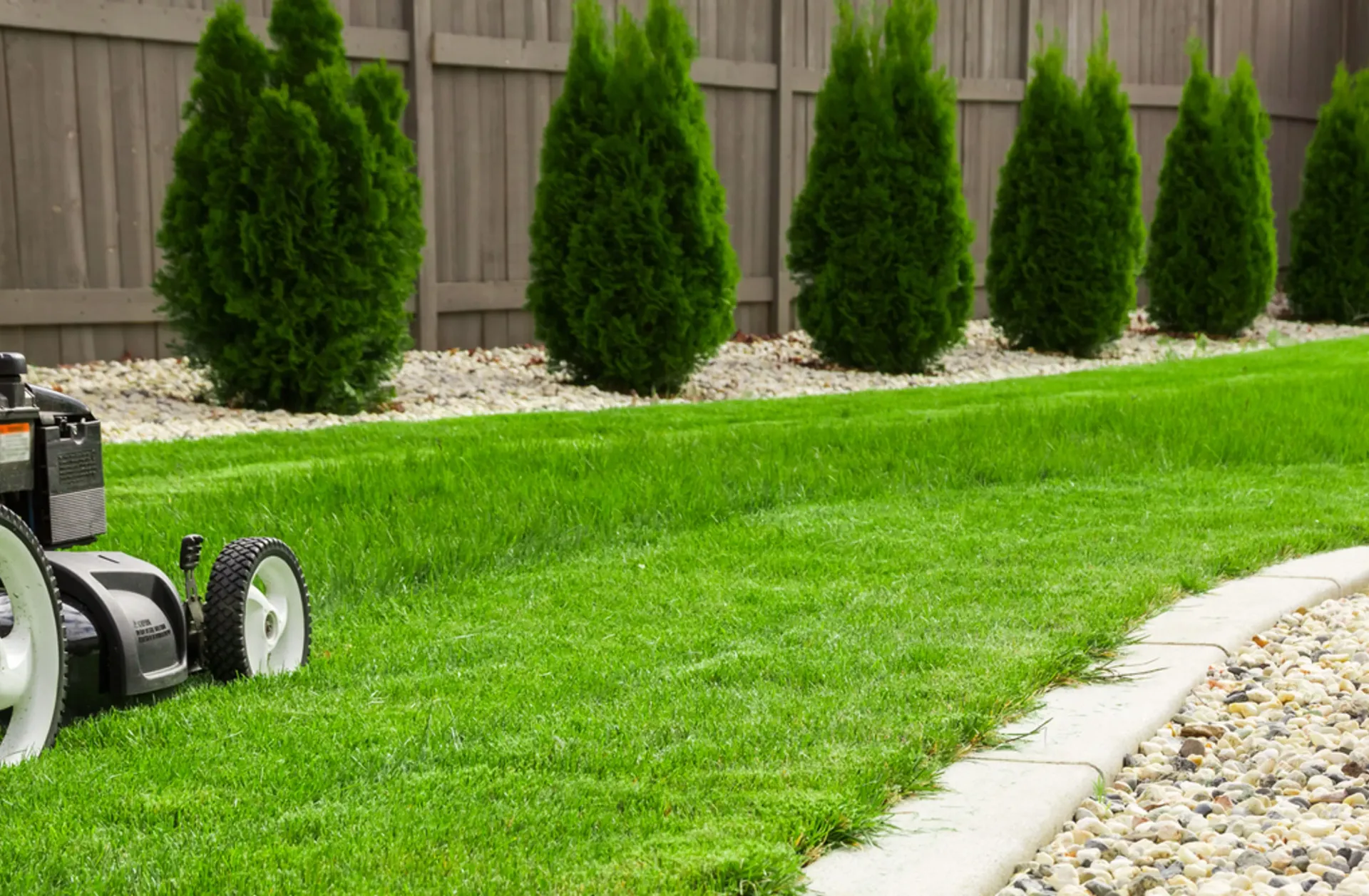
Wait until the turf resists a gentle corner lift before giving it a high first cut — usually two to three weeks after laying in spring or autumn.
Watering Routines & First-Cut Aftercare
Most failed lawns are not down to bad turf — they fail because the homeowner only damped the grass blades instead of soaking right through into the topsoil underneath. Roots grow downward chasing moisture. If only the top 10mm is wet, the roots stay shallow and bake the moment a warm spell hits.
Day 1: The Heavy Soak
Water every section as soon as it is down. Gently peel back a corner — you want the underside of the turf pad and the top 25mm of soil below to feel wet, without leaving standing puddles.
Weeks 1–3: Consistent Moisture
Water early in the morning or late evening when evaporation is low. In dry spring or summer weather that means daily; in cool autumn weather, check every two days and top up only if the soil underneath feels dry.
Weeks 3–4: The Tug Test & First Mow
Lightly tug a corner of a roll. If it lifts cleanly, keep off it and give it another week. Once it feels anchored down, cut with sharp blades set on their highest setting, taking off no more than the top third.
Frost & Foot Traffic
Keep dogs, bikes, and heavy traffic off the lawn for at least three weeks. Never walk on newly laid turf while it is white with frost, as frozen blades snap and leave black footprints.
When to Repair Your Existing Lawn vs Re-Turf
A full strip-out and re-turf is not always necessary. On site, we normally advise sticking with a repair if the levels are already decent and at least 60% of the grass is healthy. Scarifying out moss, hollow-tine aerating compacted clay, top-dressing with sandy loam, and overseeding in September or April can bring an older lawn back for a fraction of the cost.
Re-turfing makes far more sense when the garden is bumpy enough to trip on, buried rubble sits just under the surface, perennial weeds like couch grass have taken over, or standing water means the ground needs regrading or land drainage first. If you are combining a new lawn with patios, fencing, or drainage work, our garden landscaping and turfing work in Syston handles the whole job in the right sequence so heavy barrows do not cross finished turf.
What Drives the Cost of a New Turf Lawn?
The turf rolls themselves are rarely the biggest line item on a quote — ground preparation and waste removal make the real difference:
- Access to the garden: Barowing topsoil and old turf through a narrow terraced side alley takes far longer than wide driveway access for a mini dumper.
- Old turf & spoil disposal: Stripped turf is heavy and bulky, often requiring a skip or grab load rather than green wheelie bins.
- Depth of imported topsoil: Newly built plots with shallow subsoil need proper screened loam brought in and worked through, not just a dusting.
- Drainage & edging: Adding French drains, soakaways, or brick and timber mowing edges adds time upfront but saves ongoing maintenance.
Planning a New Lawn in Leicestershire?
If your garden needs stripping, clay conditioning, drainage, or fresh turf laid properly without leaving ruts or sunk patches, give our team a call for honest advice and a clear written quote.
Related Services & Guides
Explore matching landscaping services and practical homeowner advice.
Garden Landscaping in Syston
Expert garden landscaping in Syston. We provide professional patios, fencing, and turfing across Charnwood. Contact us on 0116 464 8075 for a free quote.
Soakaway vs French Drain: Which Fixes a Boggy Garden?
See when clay soil needs a soakaway or French drain, how percolation tests and falls affect quotes, and when Building Control or Party Wall rules apply.
How to Vet a Builder or Landscaper Before Paying
Learn how to check public liability insurance, waste licences, and itemised quotes before hiring a builder or landscaper, plus key UK consumer checks.
Roof Repair vs Replacement: When Is Patching Enough?
Learn when slipped tiles or flashing leaks are worth patching, when rotten battens make re-roofing better value, and what drives repair quotes.
Do You Need Building Regs for a New Roof?
Find out when re-covering a roof triggers Building Regulations for insulation and structure, plus Leicester Building Control and permit rules.
Sandstone vs Porcelain Patios: Which Should You Choose?
Compare Indian sandstone and porcelain patios in UK weather, including slip resistance, algae upkeep, slurry priming, sub-base depth, and jointing.
How High Can a Garden Fence Be Without Planning?
Check UK garden fence and gate height limits for front and back boundaries, conservation area rules, and when to notify neighbours before building.
An Annual Exterior Checklist to Prevent Costly Repairs
Use this seasonal routine to check gutters, soffits, chimney pointing, render, and boundary walls so you catch frost or storm wear before damp sets in.
Soft Washing vs Jet Washing: Which Is Safe for Render?
Learn why jet washing can damage K-rend, soft brickwork, and roof tiles, and when low-pressure biocide soft washing safely removes moss and algae.
End-of-Lease Exterior Clean-Up: What Landlords Check
Prepare commercial sites for handover and avoid dilapidation disputes. Learn what landlords check, from gutter clearance and cladding to waste removal.
How Long Does It Take to Install a New Driveway?
Learn how long block paving, gravel, and concrete driveways take, from excavation and curing times to Leicestershire skip and dropped kerb permits.
What Happens During a Full Garden Clearance?
Learn what to expect during a full garden clearance, from bramble cutbacks and nesting bird checks to shed demolition, waste sorting, and legal disposal.